Laparoscopic hysterectomy is a modern, minimally invasive surgical procedure used to remove the uterus. Unlike traditional open surgery, this technique involves small incisions, a camera, and specialized instruments, offering patients a faster recovery and fewer complications. It has become increasingly popular for treating a range of gynecological conditions such as fibroids, endometriosis, uterine prolapse, abnormal bleeding, or certain types of cancer.
What Is a Laparoscopic Hysterectomy?
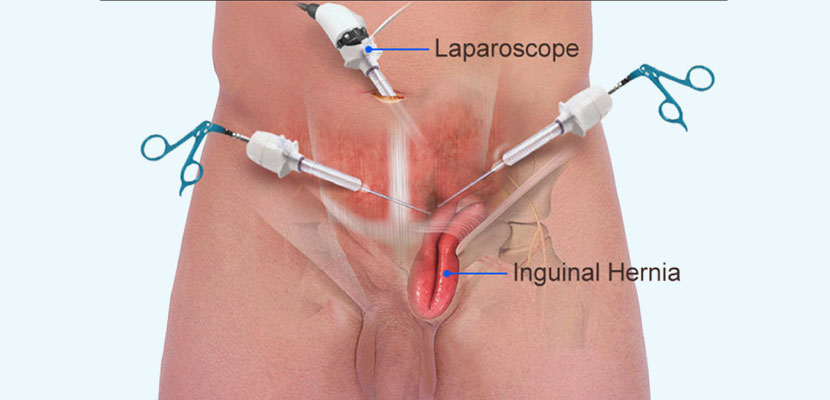
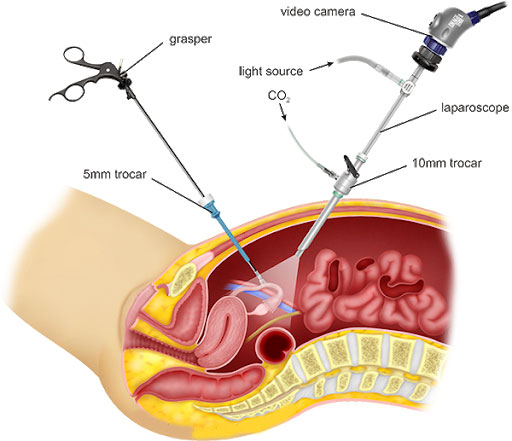
In a laparoscopic hysterectomy, the surgeon makes three to four small incisions (typically 0.5 to 1 cm) in the abdomen. A laparoscope—a thin tube with a camera and light—is inserted through one incision, allowing the surgeon to view the internal organs on a monitor. Specialized surgical instruments are inserted through the other incisions to perform the procedure. Depending on the case, the uterus may be removed in sections through the incisions or vaginally.
There are different types of laparoscopic hysterectomy, including:
-
Total Laparoscopic Hysterectomy (TLH): The uterus and cervix are both removed.
-
Laparoscopic-Assisted Vaginal Hysterectomy (LAVH): Part of the surgery is performed laparoscopically, with removal completed through the vagina.
-
Laparoscopic Supracervical Hysterectomy (LSH): The uterus is removed while the cervix is left intact.
Benefits of Laparoscopic Hysterectomy
Compared to traditional abdominal hysterectomy, the laparoscopic approach offers several advantages:
-
Smaller Incisions: Reduced scarring and lower risk of infection.
-
Shorter Hospital Stay: Most patients go home the same day or within 24 hours.
-
Faster Recovery: Return to normal activities usually occurs within 2–4 weeks.
-
Less Pain: Minimally invasive techniques result in less postoperative discomfort.
-
Lower Blood Loss: More precise surgical techniques lead to reduced bleeding.
Who Is a Candidate?
Laparoscopic hysterectomy is suitable for many women, but not all. Factors such as the size and shape of the uterus, the presence of adhesions from previous surgeries, obesity, or underlying health conditions may influence the feasibility of this method. A thorough evaluation by a gynecologic surgeon is necessary to determine the best surgical approach.
Risks and Considerations
As with any surgical procedure, laparoscopic hysterectomy carries potential risks. These include bleeding, infection, injury to surrounding organs (such as the bladder or intestines), and complications from anesthesia. Rarely, the surgery may need to be converted to an open procedure if complications arise.
Additionally, since the uterus is removed, women can no longer become pregnant. If the ovaries are also removed (which is sometimes done in the same procedure), patients may enter surgical menopause.
Conclusion
Laparoscopic hysterectomy offers a safe, effective, and less invasive option for women needing uterine removal. It combines the benefits of modern surgical technology with improved patient outcomes. As with any medical decision, patients should consult with their healthcare provider to fully understand the risks, benefits, and alternatives before proceeding with the surgery.