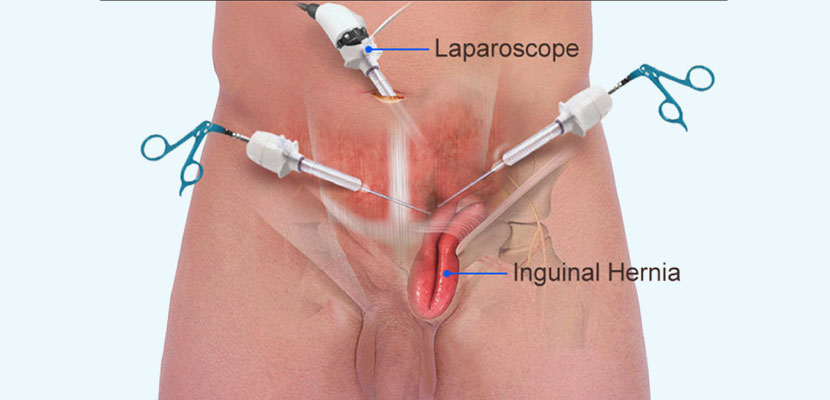
Laparoscopic appendix surgery, also known as laparoscopic appendectomy, is a modern surgical technique used to remove the appendix through small incisions in the abdomen. It has become the preferred method for treating appendicitis, a condition where the appendix becomes inflamed, infected, or ruptured. Compared to traditional open surgery, the laparoscopic approach offers faster recovery, less pain, and minimal scarring.
What Is Laparoscopic Appendectomy?
The appendix is a small, finger-shaped pouch attached to the large intestine. When it becomes inflamed due to infection or blockage, it causes appendicitis, a medical emergency that typically requires surgical removal of the appendix.
In a laparoscopic appendectomy, the patient is placed under general anesthesia. The surgeon makes three small incisions—usually one near the belly button and two in the lower abdomen. A laparoscope (a thin tube with a camera and light) is inserted through one incision to provide a clear view of the internal organs. Through the other incisions, small surgical instruments are inserted to remove the appendix. The area is then cleaned to prevent infection, and the incisions are closed with stitches or surgical glue.
When Is Laparoscopic Surgery Recommended?
Laparoscopic appendectomy is the standard treatment for:
-
Acute appendicitis (early stage)
-
Complicated appendicitis (with rupture or abscess)
-
Cases where diagnosis is uncertain, allowing the surgeon to explore the abdomen
This technique is especially beneficial for children, obese patients, and elderly individuals, as the minimally invasive nature of the surgery leads to fewer complications and quicker healing.
Benefits of Laparoscopic Appendix Surgery
Compared to open appendectomy, the laparoscopic method offers several advantages:
-
Smaller incisions and minimal scarring
-
Less postoperative pain
-
Shorter hospital stay (often 24 hours or less)
-
Faster return to normal activities (usually within 1–2 weeks)
-
Lower risk of wound infection
Additionally, if the diagnosis is uncertain, the laparoscope allows the surgeon to inspect other organs, which can be helpful in identifying other causes of abdominal pain.
Risks and Considerations
Like all surgical procedures, laparoscopic appendectomy carries some risks, including:
-
Infection
-
Bleeding
-
Injury to nearby organs such as intestines or bladder
-
Adverse reactions to anesthesia
-
Conversion to open surgery if complications arise
In some cases, especially with a ruptured appendix or widespread infection, the surgeon may decide that open surgery is safer.
Recovery After Surgery
Most patients recover quickly after laparoscopic appendectomy. Pain is usually mild and managed with medication. Patients are advised to avoid strenuous activity for a week or two, keep incisions clean and dry, and follow up with their surgeon as directed. Normal activities can usually be resumed within 1–2 weeks, depending on the individual case.
Conclusion
Laparoscopic appendix surgery is a safe, effective, and minimally invasive option for treating appendicitis. Its numerous advantages over open surgery—such as quicker recovery and reduced complications—make it a preferred approach for most patients. Early diagnosis and prompt surgical intervention remain key to avoiding serious complications from appendicitis.