A hernia occurs when an internal organ or tissue pushes through a weak spot in the muscle or surrounding tissue wall. The most common types are inguinal (groin), umbilical (belly button), and incisional hernias (at previous surgical sites). While small hernias may not require immediate treatment, many need surgery to prevent complications such as pain, obstruction, or strangulation. Laparoscopic hernia surgery offers a minimally invasive, effective solution with a quicker recovery and fewer complications compared to open surgery.
What Is Laparoscopic Hernia Surgery?
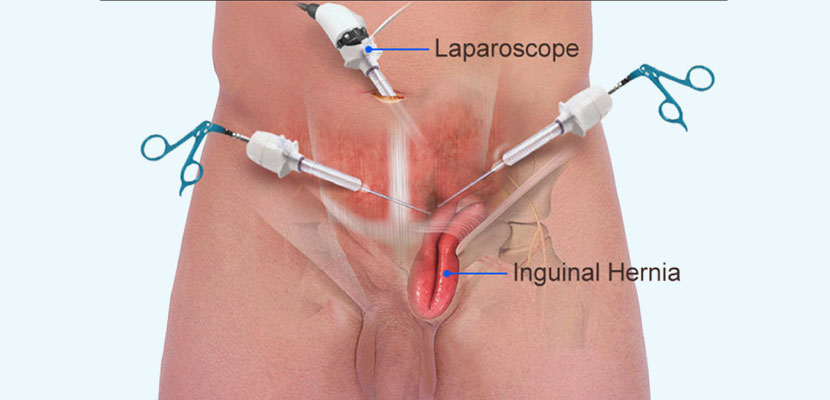
Laparoscopic hernia repair involves fixing the hernia using small incisions, a camera (laparoscope), and specialized instruments. Unlike traditional open surgery, where a large incision is made directly over the hernia site, the laparoscopic method uses 2–3 small incisions, usually in the abdomen.
During the procedure:
-
The patient is placed under general anesthesia.
-
A laparoscope is inserted through one incision, providing a video image of the inside of the abdomen.
-
Through the other incisions, instruments are used to gently push the protruding tissue back into place.
-
A surgical mesh is often placed over the weakened area to reinforce the muscle wall and prevent recurrence.
-
The mesh is fixed in place with sutures, staples, or surgical glue, and the incisions are closed.
Types of Hernias Treated Laparoscopically
Laparoscopic surgery is commonly used for:
-
Inguinal hernias (groin area)
-
Femoral hernias (upper thigh)
-
Umbilical hernias (navel area)
-
Incisional hernias (at previous surgery sites)
-
Hiatal hernias (upper stomach, often treated in a separate procedure)
Benefits of Laparoscopic Hernia Surgery
Compared to open surgery, laparoscopic hernia repair offers several significant advantages:
-
Smaller incisions lead to less postoperative pain and reduced scarring.
-
Faster recovery, with many patients returning to normal activities within 1–2 weeks.
-
Shorter hospital stay—often same-day discharge or overnight observation.
-
Lower risk of wound infection due to smaller incisions.
-
Quicker return to work and daily routines.
This approach is especially beneficial for patients with bilateral hernias (on both sides) or recurrent hernias, as both sides can often be repaired in one procedure.
Risks and Considerations
As with any surgical procedure, laparoscopic hernia repair carries some risks, including:
-
Infection
-
Bleeding
-
Reaction to anesthesia
-
Injury to surrounding tissues such as blood vessels, bladder, or intestines
-
Hernia recurrence (though rare with mesh reinforcement)
-
Chronic groin pain in some cases
Not all patients are ideal candidates for laparoscopic surgery. Factors such as previous abdominal surgeries, obesity, or very large hernias may require an open approach. A thorough evaluation by a surgeon will determine the best option for each patient.
Recovery and Aftercare
Most patients recover quickly and can walk the same day of surgery. Pain is usually mild and manageable with over-the-counter painkillers. Heavy lifting and strenuous activity should be avoided for a few weeks. Follow-up visits ensure the healing process is progressing well and to monitor for any signs of recurrence.
Conclusion
Laparoscopic hernia surgery is a safe, efficient, and patient-friendly option for repairing hernias with minimal downtime. With proper surgical technique and postoperative care, patients can enjoy lasting relief and a quick return to normal life. Consulting a qualified surgeon can help determine whether this minimally invasive approach is right for your condition.