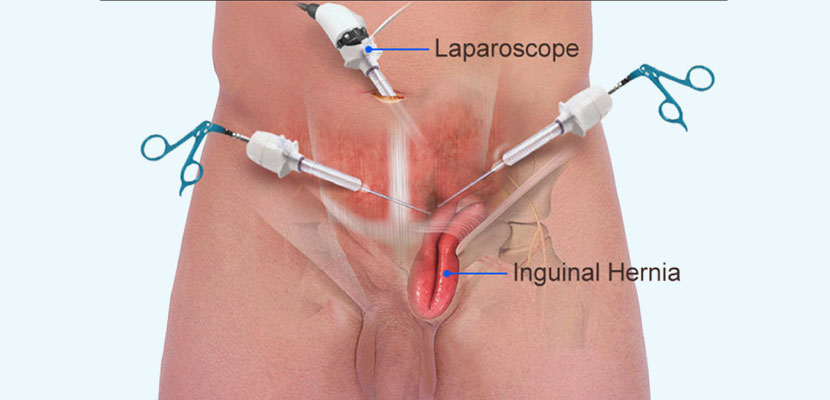
Laparoscopic tubal ligation, commonly known as “getting your tubes tied,” is a permanent form of birth control for women who no longer wish to become pregnant. This minimally invasive surgical procedure involves blocking, sealing, or cutting the fallopian tubes to prevent eggs from reaching the uterus for fertilization. It is one of the most reliable and widely used sterilization methods worldwide.
What Is Laparoscopic Tubal Ligation?
Tubal ligation via laparoscopy is performed under general anesthesia. The surgeon makes one or two small incisions, usually near the belly button. A laparoscope—a thin, flexible tube with a camera and light—is inserted to allow visualization of the reproductive organs. Using special surgical instruments inserted through the other incisions, the fallopian tubes are located and either:
-
Clipped
-
Tied and cut
-
Sealed with electric current (electrocautery)
-
Closed using rings or bands
Once the tubes are blocked, sperm cannot reach the egg, and fertilization becomes impossible. The incisions are then closed with stitches or surgical glue, and the patient is moved to recovery.
When Is It Performed?
Laparoscopic tubal ligation is often performed:
-
As a standalone procedure for women seeking permanent contraception.
-
Immediately after childbirth (within 24–48 hours), especially after a cesarean section.
-
In combination with other gynecological procedures like cesarean delivery or hysterectomy.
It is best suited for women who are certain they do not want any more children, as reversal procedures are complex and not always successful.
Benefits of Laparoscopic Tubal Ligation
Laparoscopic surgery offers several advantages over traditional open methods:
-
Minimally invasive: Small incisions lead to quicker recovery and less pain.
-
Outpatient procedure: Most women go home the same day.
-
Short recovery time: Many return to normal activities within a few days.
-
Highly effective: Over 99% success rate in preventing pregnancy.
-
No effect on hormones: The ovaries and menstrual cycle remain unaffected.
Additionally, because it’s a one-time procedure, there’s no need for daily attention or repeat visits, unlike other contraceptive methods.
Risks and Considerations
While generally safe, laparoscopic tubal ligation carries some risks:
-
Bleeding or infection at the incision site
-
Damage to nearby organs (e.g., bowel, bladder, or blood vessels)
-
Reaction to anesthesia
-
Rare failure of the procedure, which could result in pregnancy
-
Possibility of ectopic pregnancy if the procedure fails (where the fertilized egg implants outside the uterus)
It is also important to consider the permanency of the decision. Women should be absolutely sure they do not want future pregnancies, as reversal surgery is difficult and often not covered by insurance.
Recovery and Aftercare
Most patients experience mild abdominal discomfort, bloating, or shoulder pain (from gas used during laparoscopy). These symptoms usually subside within a few days. Patients are advised to avoid heavy lifting and sexual activity for about a week. Normal menstruation continues as usual, and hormonal balance remains unchanged.
Conclusion
Laparoscopic tubal ligation is a safe, effective, and convenient option for women seeking permanent birth control. With minimal downtime and a high success rate, it offers peace of mind for those confident in their family planning decisions. A thorough consultation with a gynecologist is essential to understand the risks, benefits, and alternatives before choosing this permanent solution.