Hernias are a common medical condition that can cause significant discomfort and impact quality of life. Fortunately, advancements in surgical techniques have made hernia repair more efficient and patient-friendly. Laparoscopic hernia surgery has emerged as a preferred option for many, offering numerous advantages over traditional open surgery. This minimally invasive approach provides faster recovery, less pain, and a host of other benefits that make it a game-changer in surgical care.
Understanding Laparoscopic Hernia Surgery
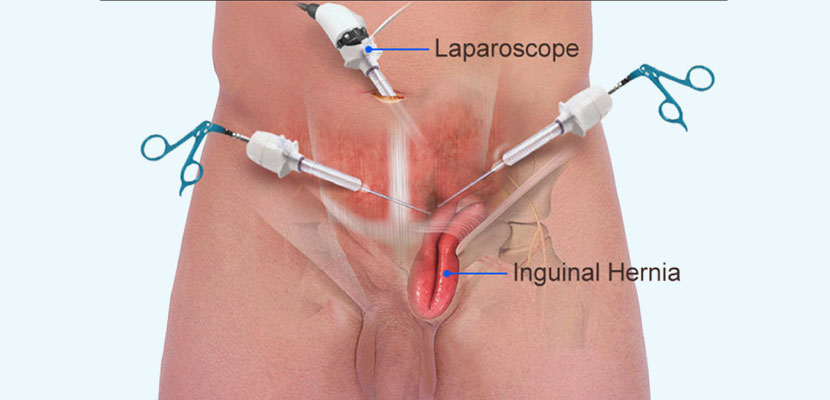
Laparoscopic hernia surgery, often referred to as minimally invasive surgery, involves repairing the hernia through small incisions. A laparoscope, a thin tube equipped with a camera, is inserted through one of these incisions. The camera provides a magnified view of the internal organs, allowing the surgeon to perform precise repairs using specialized instruments. This method contrasts with traditional open surgery, which requires a larger incision to access the hernia.
Key Advantages of Laparoscopic Hernia Surgery
1. Faster Recovery
One of the most significant benefits of laparoscopic hernia surgery is the speed of recovery. Patients can typically return to their normal activities within a few days to a couple of weeks, depending on the type and location of the hernia. This rapid recovery is due to the smaller incisions and reduced tissue damage compared to open surgery, allowing the body to heal more quickly.
2. Less Postoperative Pain
Smaller incisions mean less trauma to the body, which translates to reduced postoperative pain. Most patients report only mild discomfort after laparoscopic hernia surgery, often manageable with over-the-counter pain relievers. This minimized pain enhances the overall recovery experience and allows patients to resume their daily routines sooner.
3. Lower Risk of Complications
The precision of laparoscopic surgery reduces the risk of complications such as infections, bleeding, and damage to surrounding tissues. The smaller incisions also mean a lower likelihood of wound-related issues, such as infections or delayed healing.
4. Improved Cosmetic Outcomes
Laparoscopic surgery leaves smaller scars compared to the larger incision required in open surgery. For many patients, these minimal scars are less noticeable, improving cosmetic outcomes and boosting confidence.
5. Quicker Return to Work and Activities
For working professionals or individuals with active lifestyles, laparoscopic hernia surgery is a highly attractive option. The reduced downtime allows patients to return to work and other activities faster, minimizing disruption to their lives.
6. Enhanced Surgical Precision
The magnified view provided by the laparoscope allows surgeons to operate with greater precision. This improved visibility ensures accurate placement of mesh (if used) and meticulous repair of the hernia, reducing the likelihood of recurrence.
Is Laparoscopic Hernia Surgery Right for You?
While laparoscopic hernia surgery offers numerous advantages, it may not be suitable for everyone. Factors such as the size and type of hernia, patient’s overall health, and history of previous abdominal surgeries can influence the choice of procedure. Consulting with a qualified surgeon is essential to determine the best approach for individual cases.
Conclusion
Laparoscopic hernia surgery is revolutionizing the way hernias are treated. With its minimally invasive nature, faster recovery, reduced pain, and enhanced precision, it has become a preferred choice for patients and surgeons alike. If you are considering hernia repair, laparoscopic surgery may provide the relief you need with minimal disruption to your life. Always consult with a trusted healthcare professional to explore your options and embark on the path to better health.